%20--%3e%3cdefs%3e%3cstyle%3e%20.st0%20{%20fill:%20%23161616;%20}%20%3c/style%3e%3c/defs%3e%3cpath%20class='st0'%20d='M394.91,235.69l10.89-76.52h-159.17l11.74-82.7L269.25,0h-76.52l-10.89,76.47-4.67,32.9c-4.05,28.57-28.51,49.8-57.37,49.8H10.93L0,235.69h159.17l-11.74,82.7-10.88,76.47h76.52l10.89-76.47,4.67-32.9c4.05-28.57,28.51-49.8,57.37-49.8h108.92Z'/%3e%3cpolygon%20class='st0'%20points='345.77%200%20334.88%2076.47%20469.72%2076.47%20480.61%200%20345.77%200'/%3e%3cpolygon%20class='st0'%20points='289.59%20394.87%20424.58%20394.87%20435.47%20318.39%20300.47%20318.39%20289.59%20394.87'/%3e%3c/svg%3e)
%20--%3e%3cdefs%3e%3cstyle%3e%20.st0%20{%20fill:%20%232b303b;%20}%20.st1%20{%20fill:%20%23d92635;%20}%20%3c/style%3e%3c/defs%3e%3cpath%20class='st1'%20d='M394.91,235.69l10.89-76.52h-159.17l11.74-82.7L269.25,0h-76.52l-10.89,76.47-4.67,32.9c-4.05,28.57-28.51,49.8-57.37,49.8H10.93L0,235.69h159.17l-11.74,82.7-10.88,76.47h76.52l10.89-76.47,4.67-32.9c4.05-28.57,28.51-49.8,57.37-49.8h108.92Z'/%3e%3cpolygon%20class='st0'%20points='345.77%200%20334.88%2076.47%20469.72%2076.47%20480.61%200%20345.77%200'/%3e%3cpolygon%20class='st0'%20points='289.59%20394.87%20424.58%20394.87%20435.47%20318.39%20300.47%20318.39%20289.59%20394.87'/%3e%3c/svg%3e)
Substation standby and control.
Station batteries, chargers, and industrial inverters for protection relays, SCADA, and auxiliary loads. Sized for the outage duration the grid actually needs to survive.
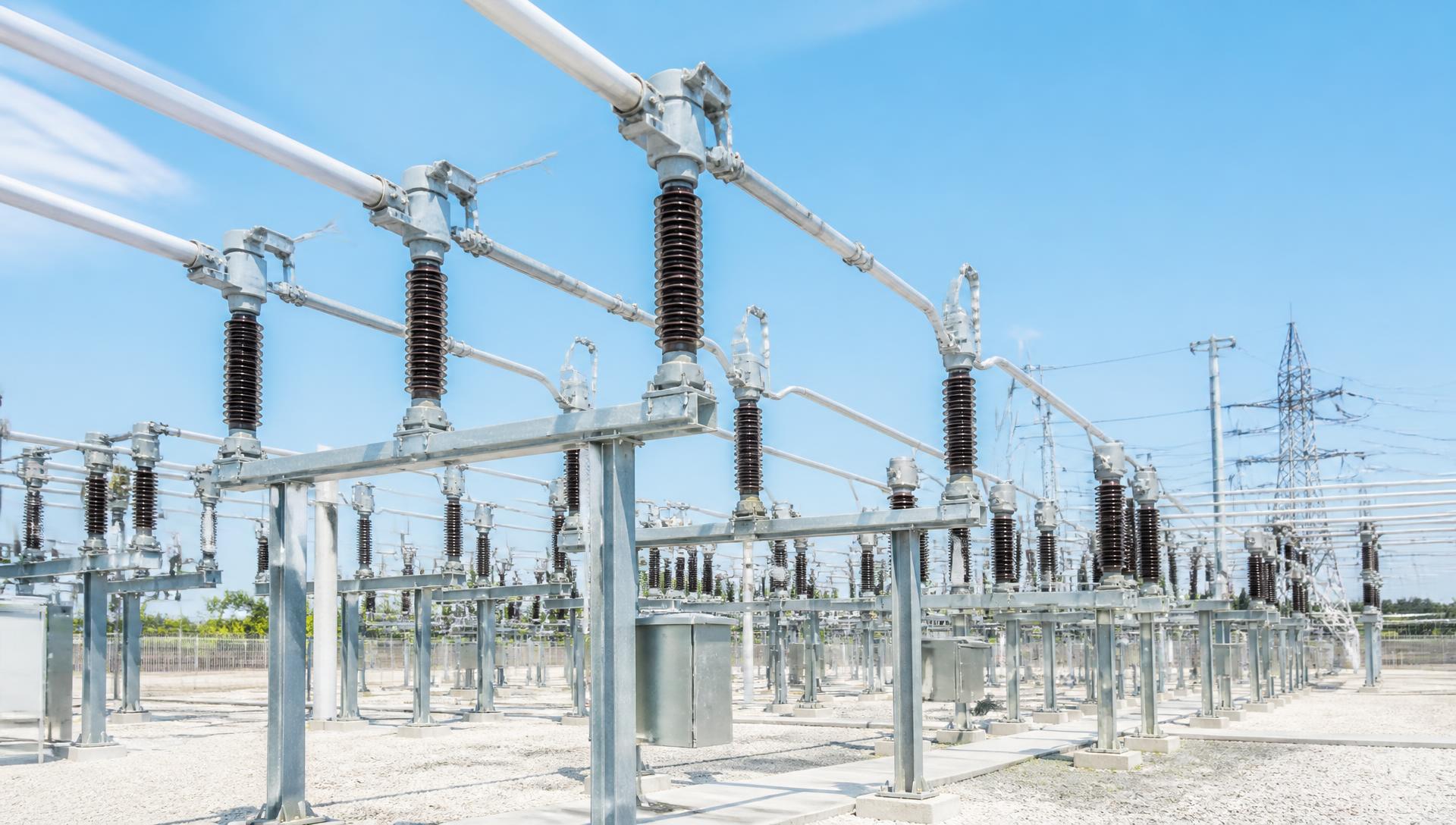
Battery banks and chargers for substation protection and control, plus inverters for safety loads.
Station batteries, chargers, and industrial inverters for protection relays, SCADA, and auxiliary loads. Sized for the outage duration the grid actually needs to survive.
BESS behind and in front of the meter for PV and wind: ramp control, self-consumption, and shifting midday generation to evening demand.
Peak shaving and frequency response for industrial connections, and dispatchable capacity for utility-scale operators. Delivered turnkey with EMS and long-term service.
Last reviewed: