%20--%3e%3cdefs%3e%3cstyle%3e%20.st0%20{%20fill:%20%23161616;%20}%20%3c/style%3e%3c/defs%3e%3cpath%20class='st0'%20d='M394.91,235.69l10.89-76.52h-159.17l11.74-82.7L269.25,0h-76.52l-10.89,76.47-4.67,32.9c-4.05,28.57-28.51,49.8-57.37,49.8H10.93L0,235.69h159.17l-11.74,82.7-10.88,76.47h76.52l10.89-76.47,4.67-32.9c4.05-28.57,28.51-49.8,57.37-49.8h108.92Z'/%3e%3cpolygon%20class='st0'%20points='345.77%200%20334.88%2076.47%20469.72%2076.47%20480.61%200%20345.77%200'/%3e%3cpolygon%20class='st0'%20points='289.59%20394.87%20424.58%20394.87%20435.47%20318.39%20300.47%20318.39%20289.59%20394.87'/%3e%3c/svg%3e)
%20--%3e%3cdefs%3e%3cstyle%3e%20.st0%20{%20fill:%20%232b303b;%20}%20.st1%20{%20fill:%20%23d92635;%20}%20%3c/style%3e%3c/defs%3e%3cpath%20class='st1'%20d='M394.91,235.69l10.89-76.52h-159.17l11.74-82.7L269.25,0h-76.52l-10.89,76.47-4.67,32.9c-4.05,28.57-28.51,49.8-57.37,49.8H10.93L0,235.69h159.17l-11.74,82.7-10.88,76.47h76.52l10.89-76.47,4.67-32.9c4.05-28.57,28.51-49.8,57.37-49.8h108.92Z'/%3e%3cpolygon%20class='st0'%20points='345.77%200%20334.88%2076.47%20469.72%2076.47%20480.61%200%20345.77%200'/%3e%3cpolygon%20class='st0'%20points='289.59%20394.87%20424.58%20394.87%20435.47%20318.39%20300.47%20318.39%20289.59%20394.87'/%3e%3c/svg%3e)
Storage retrofit
A home battery and hybrid inverter added to an existing solar installation, or to a plain grid connection. It keeps the essential circuits alive during an outage and moves cheap night energy into the expensive hours.
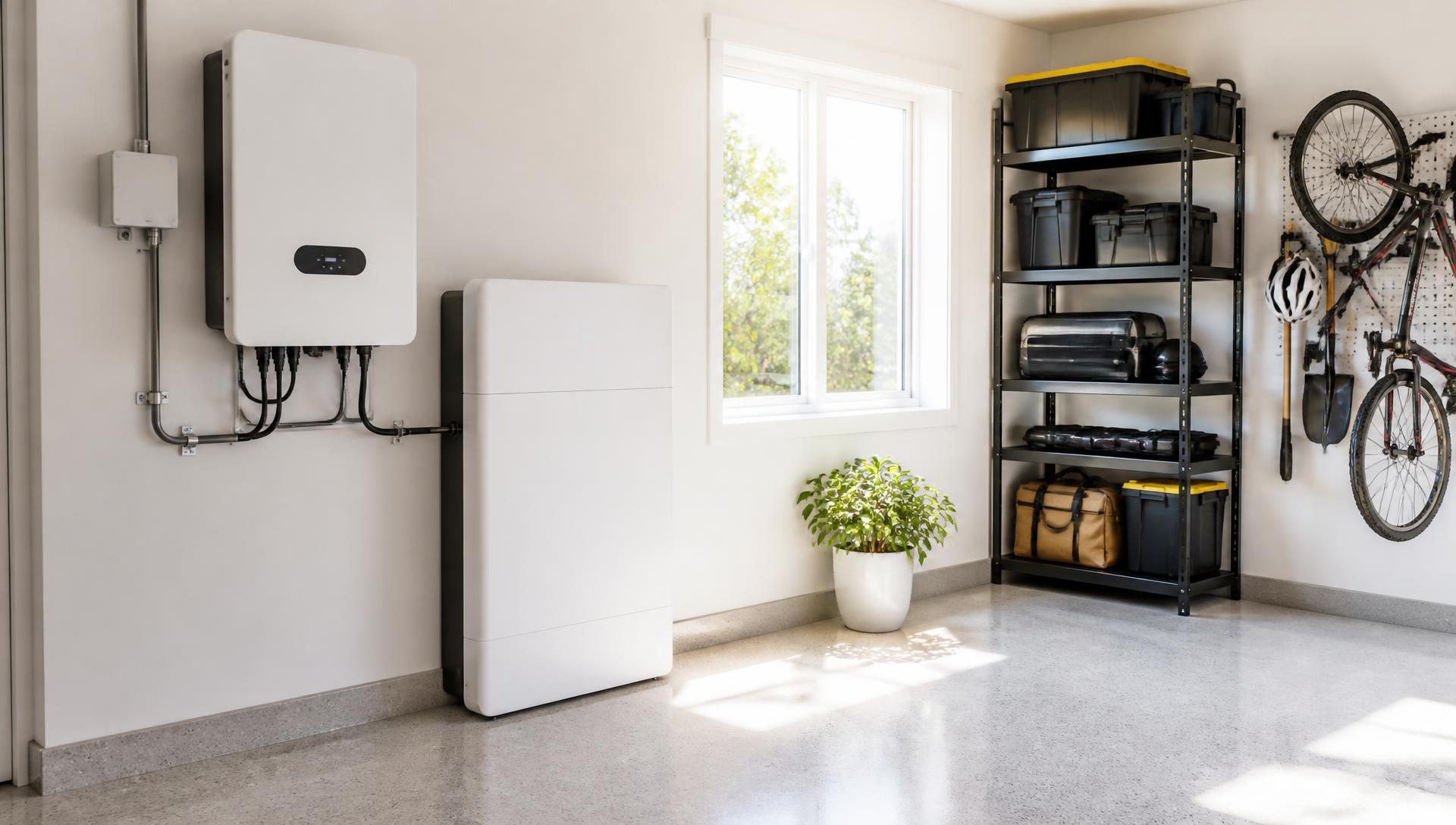
A home battery and hybrid inverter added to an existing solar installation, or to a plain grid connection. It keeps the essential circuits alive during an outage and moves cheap night energy into the expensive hours.
A complete package: modules, hybrid inverter, battery, protections, metering, monitoring and commissioning. Sized so the house uses its own production first and buys the rest.
Apartment or small house
Family house
Large house, heat pump or EV
One wall unit carries the electronics. Under it sit identical 5 kWh packs on a base, up to four. Ask for more and the extra packs form a second battery stack in parallel beside it. Set the size you have in mind and every figure follows.
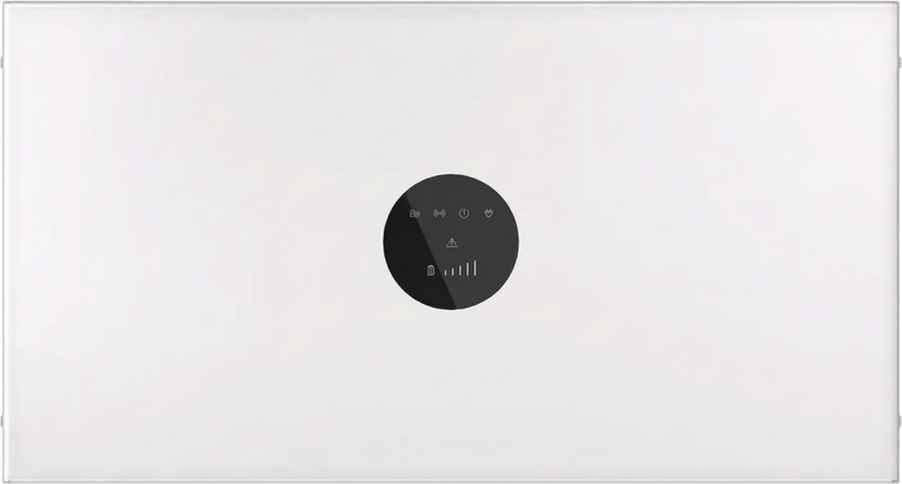

Packs are identical, so capacity is added at installation or years later. There is always one wall unit: the first four packs stack under it, and further packs form a second battery stack in parallel beside it. Saving and payback use the consumption and solar figures from the estimator below.
| Case | Consumption | Own energy used | Bill before | Bill after | Payback |
|---|---|---|---|---|---|
| Apartment, storage onlyNo roof available. A 5 kWh battery charges on the night rate and covers the evening peak, and carries the essential circuits during an outage. | 3 500 kWh | 0 kWh (0%) | 385 EUR | 318 EUR | 31.4 – 46.4 yr |
| Family house, 6 kWp and 10 kWhBoth adults work during the day, so most production is stored and used in the evening. | 6 000 kWh | 4 530 kWh (76%) | 660 EUR | 162 EUR | 19.3 – 27.5 yr |
| Large house, 10 kWp and 20 kWhHeat pump and an electric car. Someone is home during the day, so direct solar use is higher. | 11 000 kWh | 9 810 kWh (89%) | 1 210 EUR | 131 EUR | 16.1 – 23.1 yr |
Calculated at 0.11 EUR per kWh day rate, 0.06 EUR per kWh night rate, and 1400 kWh per kWp per year.
Method: solar production is split into the share used directly in the house and the share stored in the battery for the evening. Saving is the energy no longer bought from the grid, plus the difference between day and night rate on energy the battery shifts. Payback uses installed cost ranges for this region and no subsidy.
This is an estimate, not an offer. It uses the same maths as the three examples above. A binding design follows a site visit and a look at twelve months of bills.
Battery capacity comes from the stack you built above. Set the solar power to zero for a storage only retrofit.
These loads are measured in kilowatts, not watts. Including them would empty any home battery in minutes and force a far larger system than the saving justifies.
LiFePO4 chemistry with a proper battery management system, thermally stable and rated for several thousand full cycles.
DC and AC protections, surge arresters, earthing, a defined backup circuit and ventilated indoor mounting. Documented on handover.
Production, consumption and battery state visible on your phone, with scheduled checks and spare part support from our own engineers.
We select from a curated set of established manufacturers and match the equipment to your case: consumption profile, roof, temperature, backup scope and total cost of ownership. EXBATT stays accountable for sizing, installation, testing and lifecycle service.
Last reviewed:
Write to us in the chat and we answer the same day. Deeper technical detail will live on our dedicated solar site.